Tricky Foundation Repair Project in Lawrenceburg, KY
Challenge
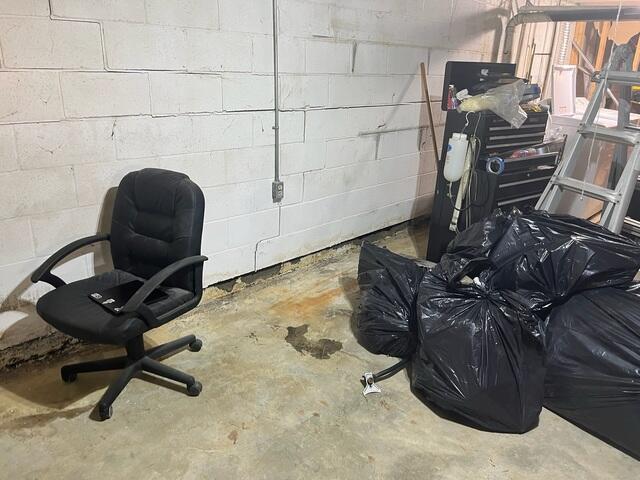
Three brothers in Lawrenceburg, KY, recently bought a home that had some major foundation issues, and their time was running out. Eager to get the foundation dry and stable, the brothers made numerous calls to different foundation repair contractors in their service area. The brothers told us that all of the contractors they called said they didn't want to attempt any repairs due to one major liability: a sheared block wall. When our Inspector heard this on the initial consultation, they knew two things to be true:
1. We had to help them.
2. We were going to have to be careful in doing so.
Solution
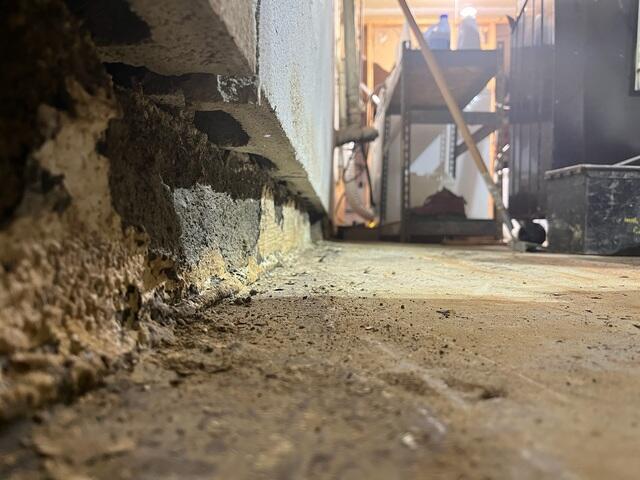
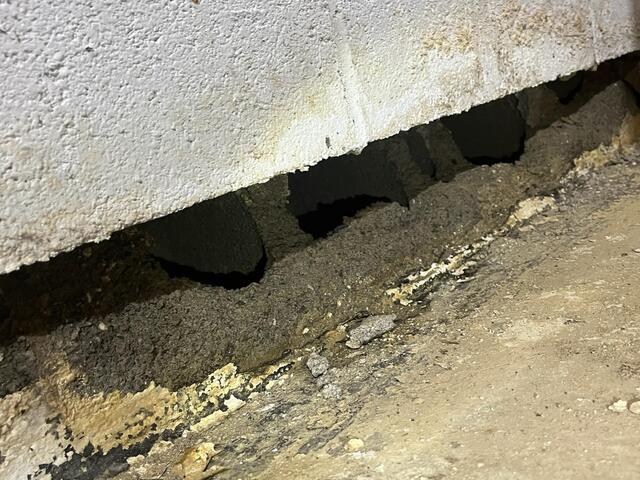
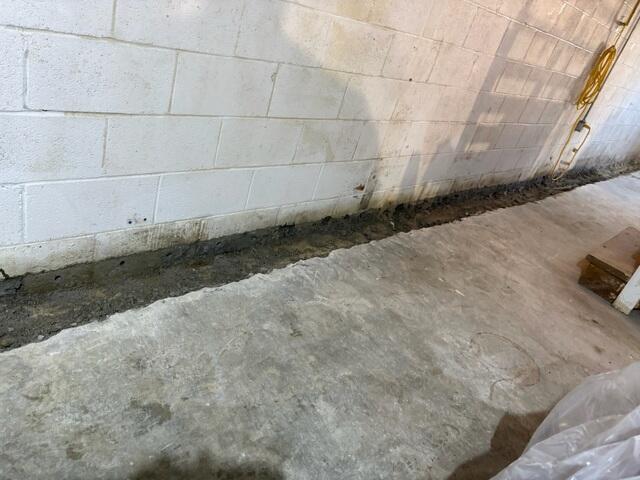
A shearing wall can be very dangerous enough as is, but this circumstance was even worse. For those who don't know, shearing occurs in late stage wall failure when the wall starts to slide inwards over the bottom most visible row of cinder block, the row that is normally left half concealed underneath the floor slab, (Click here to check out a very informative video about shearing up on our Youtube Channel that helps explain why this project was so tricky). We think the other contractors took a pass on this project because of the condition the bottom most row of block was in. Constant exposure to moisture had slowly deteriorated the concrete nature of the problematic row of block, which would make excavating the floor slab with a jackhammer nearly impossible, (we definitely didn't want to test it out). But for whatever reason others passed on this project, whether it be lack of trust in their crews, not having the right products, or simply not wanting to take any risks, we knew we could do what other contractors weren't willing to do with a relatively simple solution.
To start the process of making this basement dry and stable again, we started by waterproofing and stabilizing the sheared wall first:
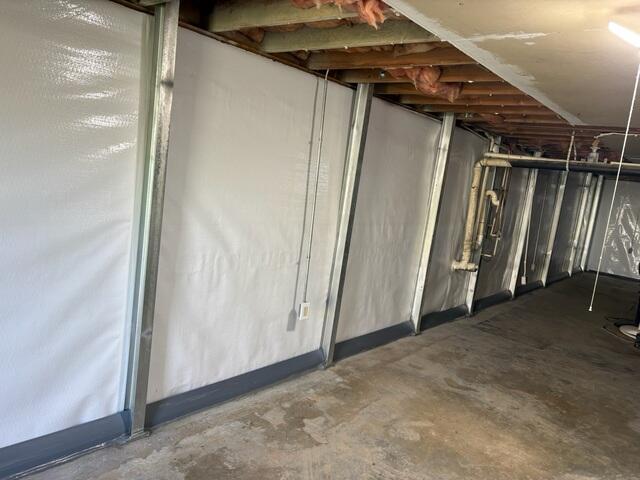
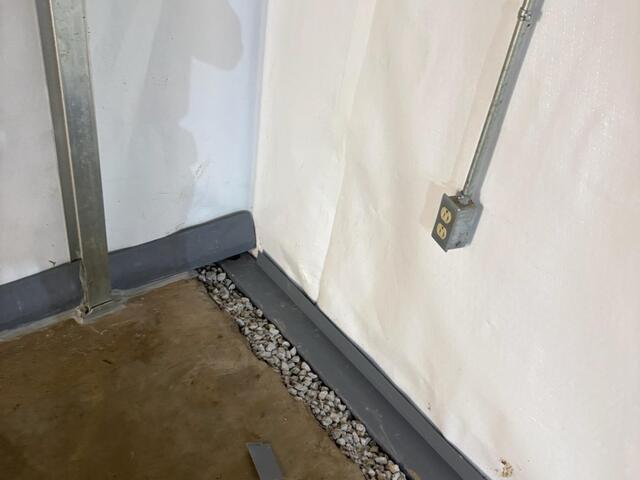
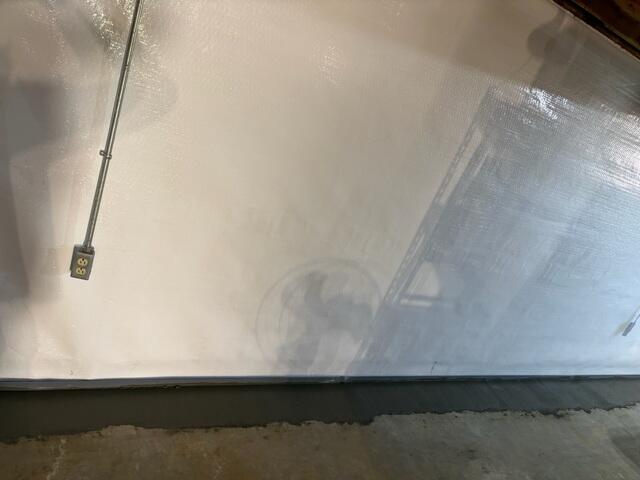
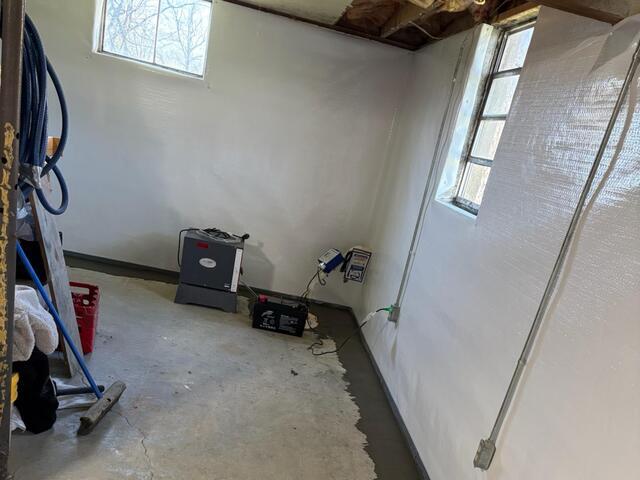
- We first wrapped the wall with our CleanSpace vapor barrier to help brighten the basement and to keep the wall dry.
- We then braced the wall with our PowerBrace beams to stabilize it. Normally, we would jackhammer the floor open from the wall to secure the base of the steel beams to the foundation and to make room for our WaterGuard subfloor drains, but that was not an option in this case. Instead, we bolted the base of the beams to the floor slab with special floor brackets, and we installed our DryTrak baseboard drains along the cove to protect the structural integrity of the wall. Our DryTrak drains and our floor brackets were designed for situations like this where we can't jackhammer the floor, (most often used for monolithic foundations where the floor slab and the footing were originally poured together as one).
- We then secured the top of the braces to the floor joists in the ceiling with special telescoping brackets. These brackets help distribute the load of the bearing wall evenly against the floor joists at the top to prevent any of the floor joists from moving.
- To finish up working on the sheared wall, we sealed the baseboard drains to the floor and to the beams to ensure water can't seep through.
The next step of the project was to waterproof the rest of the basement that didn't need structural repairs. We waterproofed by:
- Jackhammering the floor to create trenches along all of the stable walls.
- Drilling weeping holes in all of the trenches.
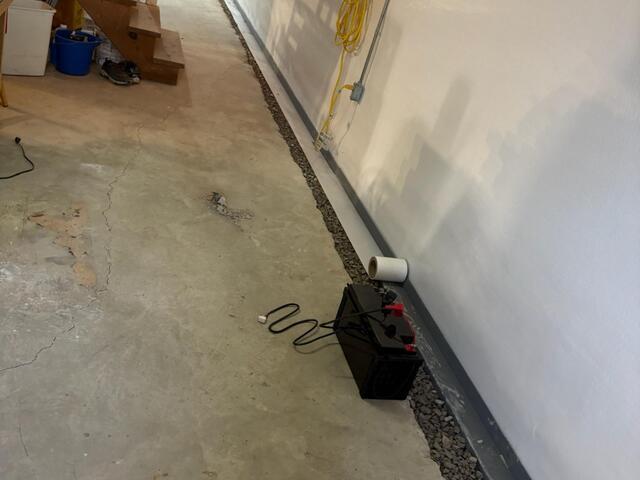
- Fitting the trenches with our WaterGuard subfloor drains, (including connecting the DryTrak baseboard drains from the sheared wall to the WaterGuard).
- Wrapping the walls with our CleanSpace vapor barrier.
- Installing a sump pump with a battery backup system and a dehumidifier.
- Concealing the subfloor drains with a thick layer of concrete over the top of them.
The end result of this project left the basement stable and dry, and it left the three brothers confident and relieved they made the right call. If you want to learn more about this project, please be sure to scroll through the photos below to walk through the process.