Crawl Space Repair Before & After Photos
Click on a photo to enlarge.
Crawl Space Repair in Midway, Kentucky


This homeowner in Midway, KY, wanted a cleaner, healthier, more energy efficient home, so they wanted a crawl space repair. Having your crawl space encapsulated has one of the highest returns on investment in terms of home improvement projects, especially when your crawl space has high amounts of moisture. We encapsulated the entire space with our CleanSpace vapor barrier in order to keep the space clean, and we installed our SilverGlo insulation in order to keep the space well insulated. We finished the project by installing our SaniDry Sedona dehumidifier to ensure the space stays dry 24/7. The result of this project is a home that will save money on energy costs & potential repairs, have healthier air, and will keep pests out like rattlesnakes known to frequent the area.
Crawl Space Encapsulation in Wilmore, KY
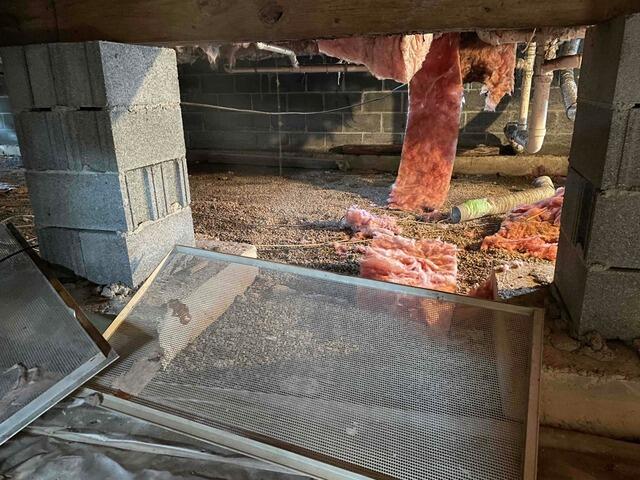
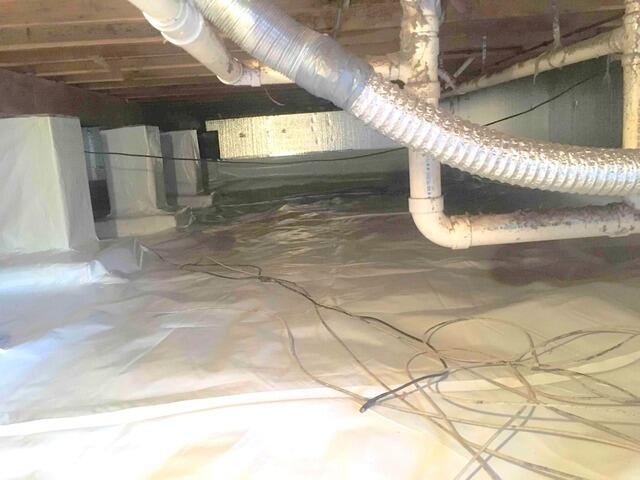
This crawl space in Wilmore, KY, had wet fiberglass sprawled out all across the floor. The fiberglass had absorbed too much moisture, causing it to become heavy and fall from the joists. The uncontrolled moisture had left the crawl space cold in the winter time and wet in the summer. We encapsulated the crawl space by tearing out all the fiberglass, wrapping the walls with our SilverGlo insulation panels, and then sealing the entire space with our CleanSpace vapor barrier. Lastly, we installed a SaniDry Sedona dehumidifier, (unpictured) to keep the trapped air inside this space dry as can be.
Crawl Space Vapor Barrier in Wilmore, Kentucky


In order to control the high humidity levels for this crawl space in Wilmore, KY, we installed a large vapor barrier all across the dirt floor and all across the walls. You see, when we install our CleanSpace liner, we make sure to seal it off with tape everywhere in the crawl space, even the concrete piers. This way, there is effectively no way moisture can seep up through the crawl space. We also added a dehumidification system to ensure moisture would not be present in the crawl space any longer. If you are interested in getting your crawl space encapsulated, be sure to give us a call for a free quote.
Crawl Space Repair Contractor in Science Hill, Kentucky


In the before photo, this crawl space in Science Hill, KY, visibly showed dampness issues that pose risks such as mold growth and structural damage. The dry, clean transformation seen in the after photo showcases our expertise at The Basement Doctor of Central Kentucky. Using our effective CleanSpace® system, combined with the powerful SmartSump sump pump, we ensured a dry, reliable foundation for this homeowner. Our systems provide superior performance, protecting homes from moisture, and associated problems. Homeowners trust in our proven systems to maintain a safe and dry home environment.
Crawl Space Repair in Georgetown, KY
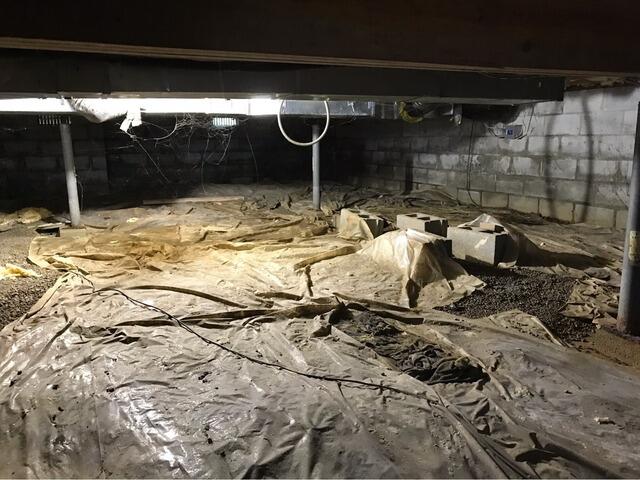
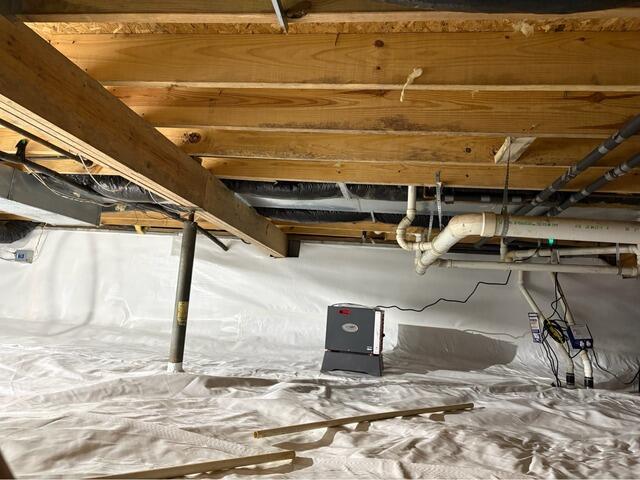
We repaired this crawl space by totaling sealing it from outside air and ground moisture. We were able to encapsulate the entire space with our CleanSpace vapor barrier because we first waterproofed the space with perforated drainage tile and a sump pump. This waterproofing system will ensure that the sealed space doesn't flood. Another very important factor, as seen in the after photo, is our SaniDry Sedona dehumidifier. Whenever we seal a crawl space, we always have to install some type of dehumidification system to keep the sealed space controlled. We always highly recommend our SaniDry Sedona, which we consider the best dehumidification system on the market.
our service area
We serve the following areas
- Albany
- Bagdad
- Bethlehem
- Bradfordsville
- Breeding
- Burkesville
- Campbellsburg
- Campbellsville
- Carrollton
- Columbia
- Dunnville
- Elk Horn
- Eminence
- Finchville
- Fountain Run
- Gamaliel
- Ghent
- Glens Fork
- Gradyville
- Gravel Switch
- Greensburg
- Hestand
- Jamestown
- Knifley
- Lebanon
- Loretto
- Mackville
- Mount Eden
- Mount Hermon
- New Castle
- Pendleton
- Perry Park
- Pleasureville
- Port Royal
- Raywick
- Saint Catharine
- Saint Francis
- Saint Mary
- Sanders
- Shelbyville
- Simpsonville
- Smithfield
- Springfield
- Sulphur
- Taylorsville
- Tompkinsville
- Turners Station
- Waddy
- Willisburg
- Worthville