The Basement Doctor of Central Kentucky Before & After Photos
Click on a photo to enlarge.
Pool Area Concrete Leveling in Lexington, Kentucky


The side of this pool in Lexington, Kentucky had some tripping hazards form overtime. We fixed the gaps in the uneven slabs by carefully injecting our PolyLevel foam underneath all the sunken slabs to level the area out. Our PolyLevel foam is minimally invasive, and only requires us to drill pea-sized holes in the slabs. These holes are then patched with a similar concrete color. The homeowner was happy there was such an easy fix to repair their poolside concrete.
SunHouse Basement Window Enclosure in Lexington, KY

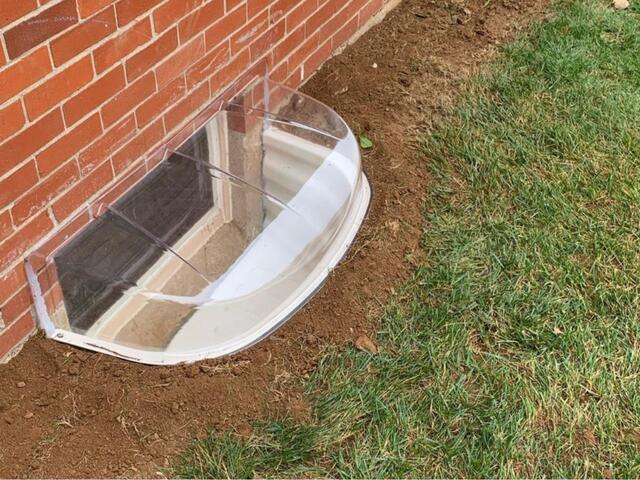
This window enclosure is able to trap and reflect sunlight into your basement, providing natural light. The enclosure also directs rain away from the well.
Basement Egress Window Installation in Lexington, Kentucky


Need an egress window for your basement bedroom? We can help! Drainage at the bottom of the well is key! Note: Not pictured is the window well covering, we figured you all would rather see the inside of the well!
Crawl Space Foundation Repair in Lexington, KY
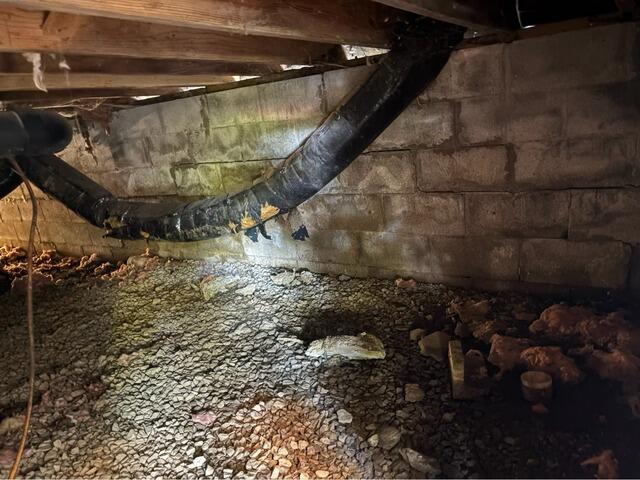
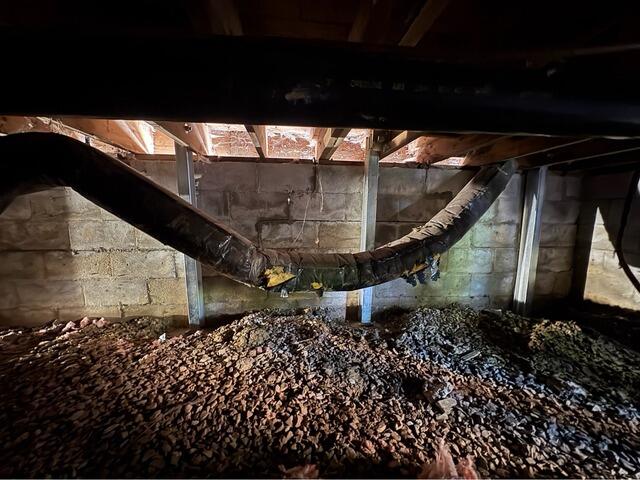
The backside foundational wall in this Lexington, KY, home's crawl space was leaning in. As you can see in the before photo, the wall was cracking due to soil movement just outside the wall. We braced the wall with our steel beams to ensure the wall won't move any more in the future.
PowerBraces Installation in Lexington, KY
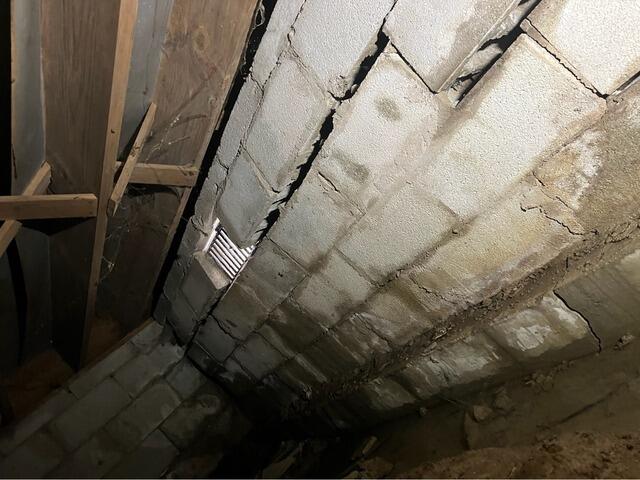
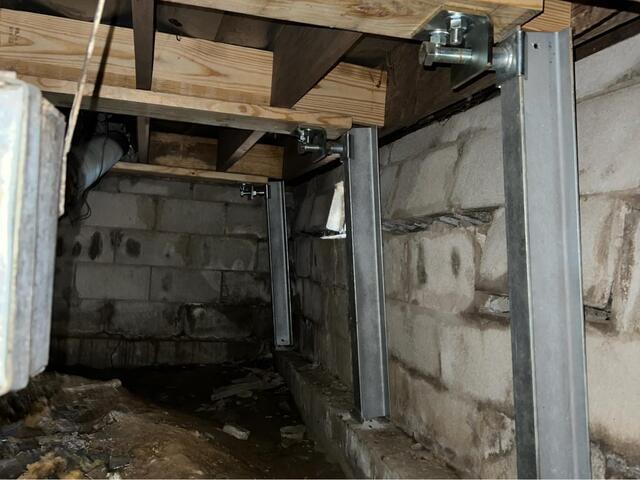
This wall was shifting so much, almost reaching a catastrophic level. Luckily, the customer noticed the signs and called us to help install PowerBraces to hold this wall together.
our service area
We serve the following areas
- Albany
- Bagdad
- Bethlehem
- Bradfordsville
- Breeding
- Burkesville
- Campbellsburg
- Campbellsville
- Carrollton
- Columbia
- Dunnville
- Elk Horn
- Eminence
- Finchville
- Fountain Run
- Gamaliel
- Ghent
- Glens Fork
- Gradyville
- Gravel Switch
- Greensburg
- Hestand
- Jamestown
- Knifley
- Lebanon
- Loretto
- Mackville
- Mount Eden
- Mount Hermon
- New Castle
- Pendleton
- Perry Park
- Pleasureville
- Port Royal
- Raywick
- Saint Catharine
- Saint Francis
- Saint Mary
- Sanders
- Shelbyville
- Simpsonville
- Smithfield
- Springfield
- Sulphur
- Taylorsville
- Tompkinsville
- Turners Station
- Waddy
- Willisburg
- Worthville